
Why your dryer runs but your clothes stay damp
A dryer does not dry clothes with heat. It dries them by carrying water out of your house. Heat turns the water in your laundry into vapour, and the vent takes that vapour outside. If the vent is restricted, the moisture has nowhere to go, so it settles back into the load. That is why the machine can run hot for an hour and hand you damp towels.
The short version
- check_circleHeat makes the moisture. Airflow removes it. A dryer that gets hot but does not dry is almost always an airflow problem, not a heat problem.
- check_circleA restricted vent means the same water circulates instead of leaving, so the load stays damp and the cycle runs longer.
- check_circleThe vent is the most common cause, but not the only one. An overloaded drum, a clogged lint screen or a failing heating element can do it too.
- check_circleYour dryer will not reliably warn you. Samsung models only trigger their vent alert at around 60 percent blocked.
How is a dryer supposed to work?
Your dryer pulls in room air, heats it, and pushes it through the tumbling laundry. Hot dry air picks up water from the clothes and becomes hot wet air. That air then has to leave, through the duct, out the exterior hood.
Every load you dry sends litres of water out that duct as vapour. The heating element only does half the job. The vent does the other half, and it is the half people forget about because none of it is visible.
So the right way to think about a dryer is as a machine that moves air. Restrict the air and you have restricted the drying, no matter how hot it gets inside.
Why does a blocked vent cause a second cycle?
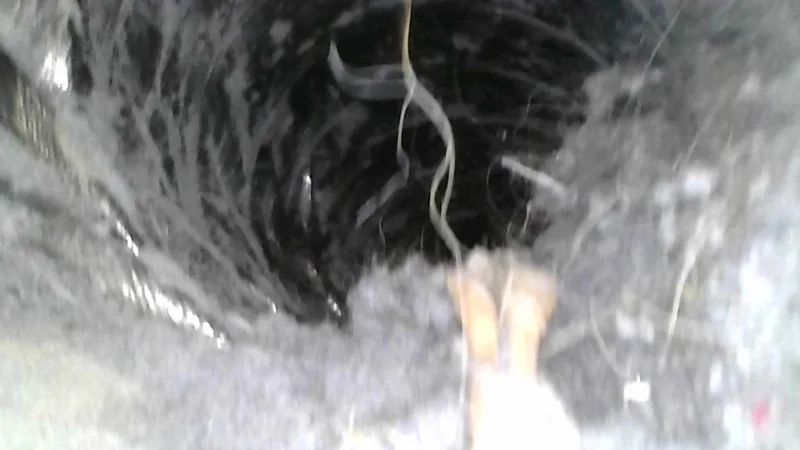
When lint narrows the duct, less air leaves per minute. The moisture that should have gone outside stays in circulation and condenses back into the load. The clothes come out warm and damp, so you run the cycle again.
The second cycle is the symptom people notice, but several others usually arrive with it. The laundry room feels humid or unusually warm, because the heat and moisture that should be outside are in the room instead. The dryer casing runs hotter than it used to. Cycles get longer before they get useless.
It is worth knowing this is also the fire mechanism. Lint is fuel, a restricted duct traps heat, and the two together are why failure to clean accounts for 31 percent of dryer fires according to United States Fire Administration data for 2018 to 2020.
What else could it be?
Not every damp load is the vent, and anyone who tells you otherwise is selling. Rule these out first, because they are free:
- check_circleAn overloaded drum. Clothes need room to tumble, and a packed load will not dry evenly no matter what
- check_circleA lint screen that is clogged, or coated in residue from dryer sheets. Run water through it: if it pools rather than passing straight through, it is coated
- check_circleA failing heating element, which usually means no heat at all rather than weak drying
- check_circleWasher problems, where the spin cycle is leaving clothes far wetter than it should
If none of those explain it, and the dryer is getting hot, the duct is the next place to look.
How do you tell if the vent is the cause?
Go outside while a load is running and put your hand near the exterior hood. You should feel a steady push of warm air, and the damper flap should be held open by it. Weak airflow, or a flap that barely lifts, tells you most of what you need to know.
Then look at the hood itself. Lint collecting around the outside of it means lint is not making it clear of the wall.
Do not rely on your dryer to tell you. Samsung models carry a vent blockage warning, and it only triggers at roughly 60 percent blocked, so the machine stays quiet through the entire period where your laundry is getting worse.

A dryer that runs hot but leaves clothes damp
A dryer removes water by carrying it out of the house as vapour. Heat creates the vapour, the vent removes it. When lint restricts the duct, the moisture stays in circulation and condenses back into the load, so the machine runs hot, the laundry room gets humid, and a normal load needs a second cycle.
Rule out the free causes first: an overloaded drum, a clogged or residue-coated lint screen, a failing element, or a washer leaving clothes too wet. If the dryer is heating properly and the load is a normal size, the duct is the next place to look, and your machine will not warn you until it is roughly 60 percent blocked.
NestFlo does dryer vent cleaning in Burlington, Hamilton, Oakville, Mississauga, Milton, Waterdown, Georgetown and Stoney Creek, at a flat $199, or $179 for a first cleaning.
Common questions about damp laundry
Why is my dryer hot but not drying?
Heat and drying are two different jobs. The element makes heat, the vent carries the moisture out. When the vent is restricted the machine still heats normally but the water cannot leave, so the load stays damp while the dryer and the room get hotter than usual.
Can a blocked dryer vent damage the dryer?
It makes the machine work far longer for the same result, and it traps heat inside rather than letting it out. It is also the mechanism behind dryer fires: failure to clean accounts for 31 percent of them in United States Fire Administration data for 2018 to 2020.
How often should a dryer vent be cleaned?
Whirlpool says every one to two years, Samsung Canada says once or twice a year, and the NFPA says annually. Longer ducts, more bends and more laundry all push you toward the frequent end of that range.
Will my dryer warn me if the vent is blocked?
Not usefully. Samsung models include a vent blockage alert, and it only triggers at around 60 percent blocked. Damp laundry and a hot laundry room will reach you long before the machine does.
Which areas does NestFlo cover?
Burlington, Hamilton, Oakville, Mississauga, Milton, Waterdown, Georgetown and Stoney Creek. Just outside those? Ask anyway, and if we can reach you we will say so honestly.